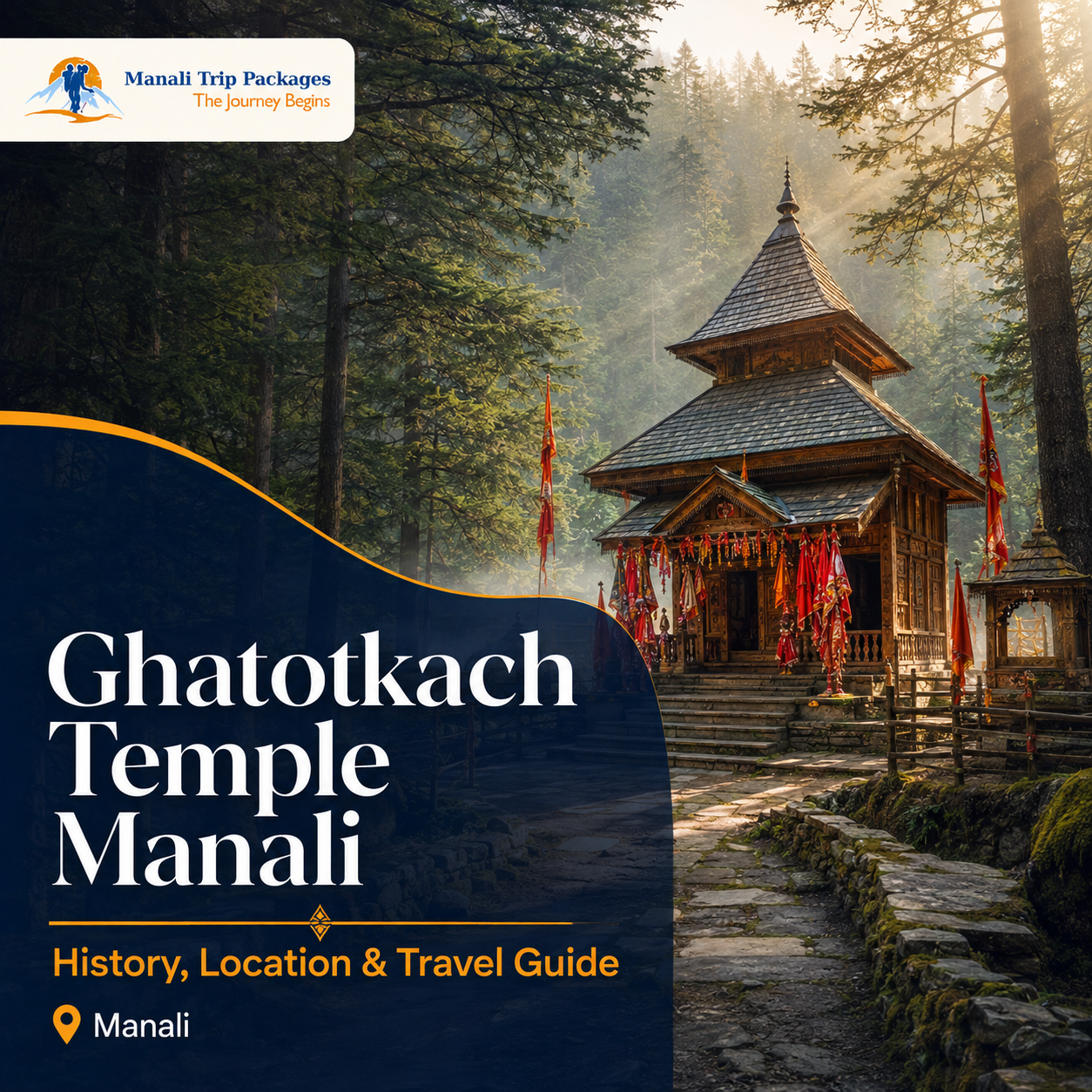
If you are visiting Manali for the first time and want to experience a place where spirituality, local culture, history, and mountain scenery come together, Manu Temple deserves a place on your itinerary. Located in the peaceful surroundings of Old Manali, this ancient temple is associated with Sage Manu and offers visitors a chance to explore one of the region’s most culturally significant landmarks.
Unlike crowded sightseeing spots where visitors may spend only a few minutes taking photographs, Manu Temple invites you to slow down and appreciate its peaceful atmosphere. The surrounding mountain landscape, traditional architecture, nearby cafés, narrow lanes, and relaxed atmosphere make the area especially appealing to first-time visitors.
In this complete guide by Manali Trip Packages, you will discover everything you should know before visiting Manu Temple, including its history, religious significance, location, architecture, best time to visit, things to see nearby, visitor tips, and answers to common questions.
What Makes Manu Temple Special?
Manu Temple is traditionally believed to be dedicated to Sage Manu, an important figure in Hindu tradition. According to popular belief, Manu is associated with the beginning of human civilization after a great flood.
The temple’s spiritual importance is one of the main reasons people visit, but its appeal extends beyond religion. It is situated in Old Manali, an area known for its distinctive atmosphere, mountain views, traditional houses, cafés, local shops, and winding streets.
For travelers interested in discovering the cultural side of the destination, the temple provides a different experience from typical sightseeing attractions.
The peaceful setting is particularly enjoyable early in the day when the surrounding area is relatively calm. Visitors can take their time observing the temple architecture, offering prayers, and enjoying the natural surroundings.
Where Is Manu Temple Located?
Manu Temple is located in Old Manali, Himachal Pradesh. It sits above the main commercial areas of Manali and can be reached through the narrow roads and lanes leading toward the temple.
Its location makes it convenient to combine the visit with other attractions in and around Old Manali. However, visitors should remember that the final approach can involve walking through narrow streets and slightly inclined paths.
If you are driving, it is sensible to check parking availability before reaching the temple area. During busy travel periods, walking from a suitable nearby parking point can be easier than trying to take a vehicle directly to the entrance.
Why Should First-Time Visitors Visit Manu Temple?
For someone visiting Manali for the first time, Manu Temple offers more than another sightseeing stop.
A Glimpse Into Local Heritage
The temple provides an opportunity to learn about the religious and cultural traditions connected with the region. Even visitors who are not deeply familiar with Hindu mythology can appreciate the historical and cultural atmosphere surrounding the temple.
Peaceful Mountain Setting
One of the most attractive features is the setting. The temple is surrounded by the Himalayan landscape, giving visitors a chance to experience a quieter side of the destination.
Traditional Architecture
The structure reflects the traditional architectural character found in the Himalayan region. Wooden elements and distinctive design details make it visually different from many modern buildings around the town.
Old Manali Experience
A visit here also gives you a reason to explore Old Manali. The neighborhood has a personality of its own, with local eateries, cafés, small shops, traditional homes, and walking routes.
For first-time visitors, combining the temple with an Old Manali walk can turn a short sightseeing stop into a more memorable experience.
The History and Legend of Manu Temple
The story behind Manu Temple is closely connected with Sage Manu.
According to Hindu tradition, Manu survived a devastating flood with divine guidance and played an important role in the continuation of human life. The temple is believed to stand at a location associated with his presence.
Over generations, this association has made the temple an important spiritual destination.
While legends and religious traditions may vary in their details, the cultural importance of Manu Temple remains an important part of the identity of Old Manali.
For visitors, understanding this background can make the experience more meaningful. Rather than simply viewing the temple as an architectural attraction, you can appreciate why the site has continued to hold significance for devotees and local communities.
What Is the Architecture of Manu Temple Like?
The architecture is one of the first things visitors notice.
The temple features traditional Himalayan design elements, including prominent use of wood and carefully crafted structural details. Its appearance reflects the region’s architectural heritage and contrasts with the modern hotels and commercial buildings that have developed around Manali.
The surroundings also contribute to the visual appeal. Mountains and greenery create a natural backdrop, making the temple an attractive stop for travelers interested in photography.
However, remember that Manu Temple is a place of worship. Photography should always be done respectfully, particularly when people are praying or when photography is restricted inside specific areas.
Best Time to Visit Manu Temple
The ideal time to visit depends on what kind of experience you want.
Morning is an excellent choice if you prefer a peaceful environment. The softer light can also make the surrounding scenery particularly beautiful.
Afternoon can work well if you want to combine the temple with other Old Manali activities. However, the area may become busier during popular travel periods.
Evening offers a different atmosphere, especially if you enjoy walking around Old Manali afterward. Make sure you allow enough time to return safely, particularly during winter when daylight hours are shorter.
Spring, summer, and autumn can provide comfortable conditions for exploring the area. Winter can be especially atmospheric when snowfall covers the surrounding landscape, but cold temperatures and icy roads can make walking more challenging.
Before visiting during winter, check current weather and road conditions.
How to Reach Manu Temple
Reaching Manu Temple is relatively straightforward from the central areas of Manali.
If you are staying close to Mall Road, you can travel toward Old Manali by local transport, taxi, or private vehicle. From the accessible road area, you may need to walk through narrow lanes to reach the temple.
Walking is actually one of the better ways to experience Old Manali. Along the way, you can observe local homes, cafés, shops, trees, and mountain views that you might miss while traveling by vehicle.
If you are traveling with older family members or anyone who has difficulty walking uphill, plan the route carefully and allow additional time.
What to See Near Manu Temple
One of the biggest advantages of visiting Manu Temple is that several experiences can be combined in the same outing.
Old Manali
Spend some time walking through Old Manali rather than immediately returning after seeing the temple. Its relaxed atmosphere and distinctive local character make it enjoyable for travelers who like exploring beyond conventional attractions.
Mall Road
Mall Road is a popular commercial area with shops, restaurants, cafés, and everyday essentials. It provides a noticeable contrast to the quieter environment around the temple.
Hadimba Temple
Another culturally significant attraction in the area is Hadimba Temple. Its distinctive wooden architecture and forest surroundings make it worth including in a sightseeing plan.
Local Cafés
Old Manali is well known for its café culture. After visiting the temple, consider taking a break at a local café and enjoying the surrounding mountain atmosphere.
Nature Walks
If you enjoy walking, explore the nearby lanes and quieter paths. Always follow local guidance and avoid entering restricted or unsafe areas.
What Should You Wear to Manu Temple?
Because Manu Temple is a religious site, modest and comfortable clothing is recommended.
Wear footwear that can be easily removed if required. Comfortable shoes are especially useful because reaching the temple may involve walking through narrow or inclined areas.
During colder months, carry warm layers. Weather in the mountains can change quickly, so even a pleasant afternoon can become chilly later in the day.
A light jacket, comfortable trousers, walking shoes, and a small day bag are practical choices for most visitors.
Important Things to Remember Before Visiting
A little preparation can make your visit smoother.
Respect the temple’s religious environment and follow instructions provided by temple authorities. Maintain silence or a low voice where appropriate, and avoid disturbing people who are praying.
Photography may not be permitted in every area, so look for signs or ask before taking photographs.
Keep the surroundings clean. Carry your waste with you if bins are not immediately available.
Avoid touching religious objects unless you are invited to do so.
If you are visiting with children, explain basic temple etiquette beforehand. This helps them understand that the location is both a tourist attraction and a place of worship.
During peak seasons, allow extra time for traffic and parking.
How Much Time Should You Spend at Manu Temple?
Most visitors do not need an entire day for the temple itself.
Around 30–60 minutes can be enough to explore the temple at a comfortable pace, depending on how busy it is and whether you spend time praying or appreciating the surroundings.
However, if you combine the visit with Old Manali, nearby attractions, cafés, and walking routes, you can easily make it part of a half-day sightseeing plan.
Instead of rushing from one attraction to another, consider giving yourself enough time to enjoy the neighborhood.
Is Manu Temple Suitable for Families and Older Visitors?
Yes, but some planning may be useful.
Families can enjoy the cultural and peaceful environment, while children may find the architecture and surrounding mountain scenery interesting.
Older visitors should consider the walking distance and incline around the approach. If mobility is a concern, choose transportation and parking arrangements carefully.
Comfortable footwear is recommended for everyone.
Can You Visit Manu Temple During Winter?
Yes, winter can be a beautiful time to visit, particularly when the surrounding mountains receive snowfall.
However, winter travel requires more preparation. Roads and walking paths can become slippery, and temperatures can drop considerably.
Wear suitable winter clothing and footwear, and check the weather before setting out.
If snowfall is heavy, ask local drivers or accommodation providers about road conditions before traveling to the area.
A Simple Manu Temple Visit Plan
For first-time visitors, a relaxed plan can look like this:
Start your day in Old Manali and head toward Manu Temple during the morning. Spend some quiet time at the temple before exploring the surrounding lanes.
Afterward, stop at a nearby café for breakfast or refreshments. Continue exploring Old Manali at a comfortable pace, then visit another nearby attraction such as Hadimba Temple.
Later, you can head toward Mall Road for shopping, food, or an evening walk.
This approach allows you to experience the destination rather than simply checking attractions off a list.
Why Add Manu Temple to Your Manali Itinerary?
A good holiday itinerary should include more than scenic viewpoints and popular commercial areas.
Manu Temple adds a cultural dimension to your experience. It introduces you to local traditions, Himalayan architecture, religious history, and the distinctive atmosphere of Old Manali.
It is particularly worthwhile for travelers who want to understand the destination rather than only photograph it.
For first-time visitors, the combination of Manu Temple + Old Manali + nearby cultural attractions + local cafés can create a well-balanced day.
Plan Your Himalayan Escape With Manali Trip Packages
Planning a mountain holiday becomes easier when your itinerary balances sightseeing, relaxation, travel time, and local experiences.
At Manali Trip Packages, we understand that every traveler may want a different experience. Some visitors prefer cultural sightseeing, while others are more interested in nature, food, photography, adventure, or peaceful mountain stays.
If Manu Temple is on your list, you can plan your schedule around Old Manali and combine the visit with other nearby experiences without making your day unnecessarily rushed.
Ready to explore Manali beyond the usual sightseeing stops? Contact Manali Trip Packages and start planning an itinerary that fits your travel dates, interests, and preferred experiences.
Frequently Asked Questions About Manu Temple
1. Why is Manu Temple famous?
Manu Temple is famous for its association with Sage Manu and its religious and cultural importance. Its traditional architecture and peaceful location in Old Manali also make it a popular place to visit.
2. Where is Manu Temple located?
Manu Temple is located in Old Manali, Himachal Pradesh. It can be reached from the main town area by road, followed by walking through the local lanes toward the temple.
3. Is Manu Temple worth visiting?
Yes. It is worth visiting if you are interested in spirituality, local culture, Himalayan architecture, and peaceful surroundings. The temple is especially appealing when combined with an exploration of Old Manali.
4. How much time is enough for Manu Temple?
Around 30–60 minutes is generally sufficient for visiting the temple. If you also explore Old Manali and nearby attractions, consider setting aside several hours.
5. What should I wear when visiting Manu Temple?
Wear comfortable and modest clothing suitable for a religious place. Comfortable walking shoes and warm layers are recommended, particularly during colder months.
6. Can I take photographs inside Manu Temple?
Photography rules can vary by area. Follow posted instructions and ask temple authorities when unsure. Always avoid photographing people during prayers without permission.
7. What can I visit near Manu Temple?
Old Manali, Hadimba Temple, Mall Road, local cafés, and nearby walking routes can be combined with your visit, depending on your available time.
8. Is Manu Temple suitable for first-time visitors?
Absolutely. Its cultural significance, traditional architecture, peaceful surroundings, and location in Old Manali make it a rewarding stop for people exploring the destination for the first time.
Final Thoughts
Manu Temple is more than a stop on a sightseeing checklist. It is a place where mythology, spirituality, traditional architecture, and Himalayan scenery come together.
For first-time visitors, taking time to understand its connection with Sage Manu can make the visit more meaningful. Add a relaxed walk through Old Manali, explore nearby cultural attractions, enjoy a local café, and leave enough room in your schedule to appreciate the surroundings.
Whether you are interested in culture, photography, architecture, spirituality, or simply discovering quieter corners of the mountains, Manu Temple can add something special to your experience.
Plan your visit thoughtfully, travel respectfully, and let Manali reveal more than just its famous views. For help creating a personalized itinerary, connect with Manali Trip Packages and turn your Himalayan holiday plans into a memorable experience.