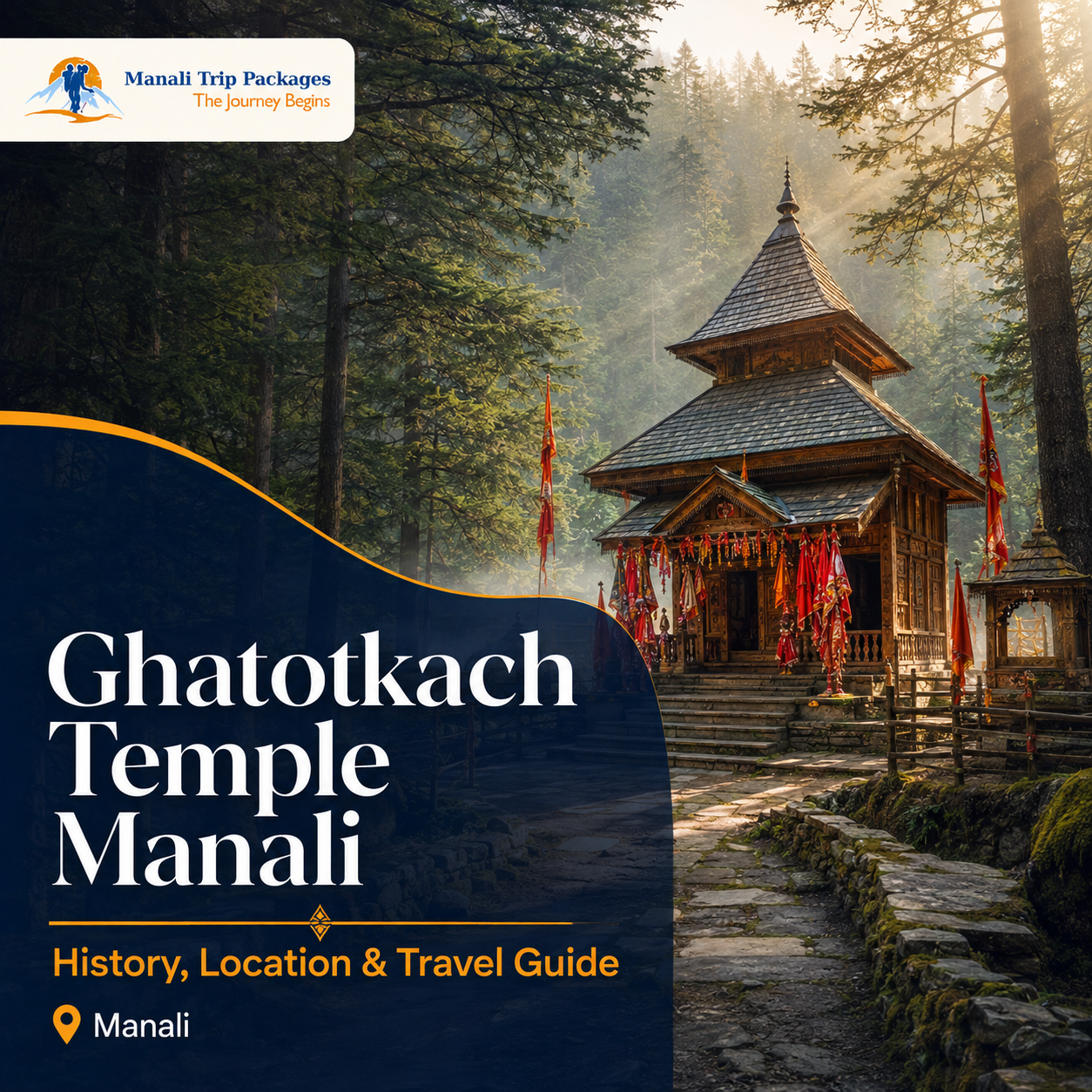
Nestled amidst the peaceful cedar forests of Manali, Hidimba Temple is one of the most iconic spiritual destinations in Himachal Pradesh. Surrounded by towering deodar trees and breathtaking Himalayan scenery, this ancient temple is not only a place of worship but also a remarkable example of traditional Himalayan architecture.
Unlike many temples dedicated to well-known Hindu deities, Hidimba Temple is dedicated to Devi Hidimba, a significant character from the epic Mahabharata. Every year, thousands of devotees, history lovers, photographers, and travellers visit this sacred site to experience its unique blend of mythology, history, architecture, and spirituality.
Whether you’re planning your first trip to Manali or returning to explore its hidden gems, this guide by Manali Trip Packages will help you discover everything you need to know about Hidimba Temple.
Table of Contents
- History of Hidimba Temple
- Who Was Devi Hidimba?
- Mythological Connection with Mahabharata
- Architecture of Hidimba Temple
- Spiritual Significance
- Why Hidimba Temple is Famous
- Best Time to Visit
- Temple Timings
- Entry Fee
- How to Reach Hidimba Temple
- Nearby Attractions
- Photography Tips
- Travel Tips
- Interesting Facts
- Why You Should Visit Hidimba Temple
- FAQs
- Conclusion
History of Hidimba Temple
Hidimba Temple, also known as the Dhungari Temple, was built in 1553 AD by Maharaja Bahadur Singh of Kullu. The temple has stood for more than 450 years and remains one of the finest examples of wooden temple architecture in the Himalayan region.
Unlike traditional stone temples, Hidimba Temple was constructed using locally sourced cedar wood. The temple’s location in the dense Dhungiri Forest adds to its peaceful and mystical atmosphere.
For centuries, the temple has remained an important pilgrimage site where locals worship Devi Hidimba as their guardian deity. Even today, many traditional ceremonies and local festivals revolve around this sacred temple.
Who Was Devi Hidimba?
According to the Mahabharata, Hidimba was initially a forest demoness (Rakshasi) living in the forests of the Himalayas with her brother Hidimb.
When the Pandavas entered the forest during their exile, Bhima defeated Hidimb in battle. After witnessing Bhima’s bravery, Hidimba fell in love with him.
Eventually, Bhima and Hidimba were married, and they had a son named Ghatotkacha, who later became one of the greatest warriors in the Mahabharata.
After Bhima left with his brothers, Hidimba devoted herself to meditation and spiritual practices. Her immense penance transformed her into a respected goddess, and people began worshipping her as Devi Hidimba.
Today, she is considered the protector of the Kullu Valley.
The Mahabharata Connection
The story of Hidimba Temple is deeply connected to one of India’s greatest epics.
Important events include:
- Bhima’s battle with Hidimb
- Marriage of Bhima and Hidimba
- Birth of Ghatotkacha
- Hidimba’s transformation through penance
- Worship as a local deity
The temple beautifully preserves this legendary connection and keeps the Mahabharata alive through local traditions and folklore.
Architecture of Hidimba Temple
One of the biggest reasons tourists visit Hidimba Temple is its extraordinary architecture.
Unlike many temples across India, Hidimba Temple features traditional Himalayan craftsmanship that blends beautifully with the surrounding forest.
Four-Tier Pagoda Roof
The temple has a distinctive four-tier pagoda-style roof made entirely of wooden shingles.
This design helps protect the structure from heavy snowfall during winter.
Wooden Carvings
The entrance showcases intricate carvings featuring:
- Floral motifs
- Mythological figures
- Animals
- Local Himalayan art
Each carving reflects the incredible craftsmanship of the 16th century.
Stone Base
The temple rests on a strong stone platform, providing stability while preserving its wooden structure.
Sanctum
Unlike temples with elaborate idols, the sanctum houses a sacred rock believed to represent Devi Hidimba.
Devotees offer flowers, incense, and prayers here throughout the year.
Spiritual Significance of Hidimba Temple
For the people of Himachal Pradesh, Hidimba Temple is much more than a tourist attraction.
It is considered one of the most sacred places in the region.
Devotees believe that Devi Hidimba blesses visitors with:
- Protection
- Courage
- Prosperity
- Good health
- Family harmony
- Peace of mind
Locals seek her blessings before important life events, including weddings, festivals, and community celebrations.
Why Hidimba Temple is Famous
There are several reasons why Hidimba Temple is among Manali’s top attractions.
Ancient Heritage
More than four centuries old, it reflects the rich cultural history of the Kullu Valley.
Unique Architecture
Its wooden pagoda-style construction makes it different from most temples in India.
Dense Cedar Forest
The temple is surrounded by centuries-old deodar trees, creating a peaceful environment perfect for meditation and photography.
Mahabharata Legacy
Its connection to Bhima and Hidimba attracts mythology enthusiasts from across the country.
Spiritual Experience
Many visitors describe the atmosphere as calm, divine, and deeply rejuvenating.
Best Time to Visit Hidimba Temple
The temple can be visited throughout the year, but every season offers a different experience.
Spring (March–April)
- Pleasant weather
- Blooming flowers
- Ideal sightseeing
Summer (May–June)
- Comfortable temperatures
- Perfect for family holidays
- Peak tourist season
Monsoon (July–September)
- Lush greenery
- Fewer crowds
- Occasional rainfall
Autumn (October–November)
- Crisp mountain air
- Clear skies
- Excellent photography conditions
Winter (December–February)
- Snow-covered temple
- Magical surroundings
- Ideal for snow lovers
Hidimba Temple Timings
The temple is generally open every day.
Opening Time: 8:00 AM
Closing Time: 6:00 PM
Morning visits are recommended for a peaceful experience and better photography.
Entry Fee
One of the best things about Hidimba Temple is that there is no entry fee for visitors.
You can explore the temple and its surroundings free of charge.
How to Reach Hidimba Temple
By Air
The nearest airport is Bhuntar Airport, approximately 50 km from Manali.
By Road
Manali is well connected with:
- Chandigarh
- Delhi
- Shimla
- Dharamshala
Local taxis and auto-rickshaws are available from the Manali town centre.
By Walking
The temple is around 2 km from Mall Road Manali and can be reached through a scenic forest path.
Nearby Attractions
After visiting Hidimba Temple, you can explore several nearby attractions.
Ghatotkacha Temple
Located close to Hidimba Temple and dedicated to her son.
Mall Road Manali
Perfect for shopping, cafés, and local food.
Manu Temple
Dedicated to Sage Manu and offering beautiful valley views.
Vashisht Temple
Known for its natural hot water springs and spiritual atmosphere.
Van Vihar National Park
Ideal for nature walks and boating.
Old Manali
A charming destination filled with cafés, boutique shops, and mountain views.
Photography at Hidimba Temple
Photography enthusiasts love this destination because of its natural beauty.
Best photo spots include:
- Temple entrance
- Wooden carvings
- Cedar forest
- Snow-covered surroundings in winter
- Traditional Himachali costumes available for photography nearby
Morning and evening light provides the best results.
Travel Tips
To make your visit more enjoyable:
- Wear comfortable walking shoes.
- Carry warm clothing, even in summer.
- Respect temple customs.
- Maintain silence inside the temple.
- Avoid littering.
- Carry a water bottle.
- Visit early to avoid crowds.
- Keep your camera fully charged.
Interesting Facts About Hidimba Temple
- Built in 1553 AD.
- Dedicated to Devi Hidimba instead of a conventional Hindu deity.
- Located inside the Dhungiri Forest.
- Features a unique four-tier wooden roof.
- Has survived centuries of changing weather.
- Represents one of the finest examples of Himalayan temple architecture.
- Closely associated with the Mahabharata.
- Hosts the famous Dhungri Mela each year.
Why Hidimba Temple Should Be on Your Manali Itinerary
If you’re visiting Manali, Hidimba Temple deserves a place at the top of your travel list.
Here’s why:
- Rich mythological history
- Peaceful spiritual atmosphere
- Stunning architecture
- Dense cedar forest
- Family-friendly destination
- Excellent photography opportunities
- Cultural significance
- Easy accessibility from Manali town
Whether you’re a pilgrim, a history enthusiast, or simply looking for tranquillity amidst nature, Hidimba Temple offers a memorable experience.
Responsible Tourism at Hidimba Temple
As a revered spiritual site, visitors should help preserve its heritage and natural surroundings. Dress modestly, avoid loud music, dispose of waste responsibly, and respect local customs. The surrounding deodar forest is part of the temple’s charm, so avoid damaging trees or disturbing wildlife. Responsible travel ensures that future generations can enjoy the temple’s beauty and cultural importance.
Plan Your Manali Trip with Manali Trip Packages
A visit to Hidimba Temple becomes even more enjoyable when it’s part of a well-planned itinerary. Manali Trip Packages offers carefully designed travel experiences that help you explore Manali’s famous attractions, scenic valleys, adventure activities, and cultural landmarks with ease.
Whether you’re planning a family holiday, a honeymoon, a solo adventure, or a group tour, you can customise your itinerary to include Hidimba Temple along with destinations such as Solang Valley, Atal Tunnel, Rohtang Pass (subject to accessibility), Old Manali, and Vashisht.
Why Choose Manali Trip Packages?
- Well-planned travel itineraries
- Comfortable transportation options
- Experienced local guidance
- Flexible tour packages
- Suitable options for couples, families, and groups
- Assistance with sightseeing and travel planning
Frequently Asked Questions (FAQs)
1. Why is Hidimba Temple famous?
Hidimba Temple is famous for its connection to the Mahabharata, its unique wooden architecture, peaceful deodar forest setting, and the worship of Devi Hidimba.
2. Who built Hidimba Temple?
The temple was built by Maharaja Bahadur Singh of Kullu in 1553 AD.
3. Is there an entry fee for Hidimba Temple?
No, visitors can enter the temple without paying any entry fee.
4. What are the timings of Hidimba Temple?
The temple is generally open daily from 8:00 AM to 6:00 PM.
5. What is the best time to visit Hidimba Temple?
March to June offers pleasant weather, while December to February is ideal for experiencing the temple surrounded by snow.
6. How far is Hidimba Temple from Mall Road Manali?
The temple is approximately 2 km from Mall Road and can be reached by walking or a short taxi ride.
7. Can photography be done inside Hidimba Temple?
Photography is usually allowed in the outer premises, but visitors should follow any restrictions inside the sanctum and respect temple guidelines.
8. Which attractions can be visited near Hidimba Temple?
Nearby attractions include Ghatotkacha Temple, Mall Road Manali, Manu Temple, Vashisht Temple, Van Vihar, and Old Manali.
Conclusion
Hidimba Temple is much more than an ancient monument—it’s a symbol of faith, mythology, heritage, and Himalayan craftsmanship. Its fascinating connection to the Mahabharata, distinctive wooden architecture, serene forest setting, and enduring spiritual importance make it one of the most remarkable places to visit in Manali.
Whether you’re seeking divine blessings, exploring history, capturing stunning photographs, or simply enjoying the tranquillity of nature, Hidimba Temple offers an unforgettable experience. Add this iconic destination to your itinerary and discover why it remains one of the most visited landmarks in Himachal Pradesh.
Call to Action
Ready to experience the timeless beauty of Hidimba Temple and explore the best of Manali? Manali Trip Packages can help you plan a seamless journey with customised itineraries, comfortable travel options, and memorable sightseeing experiences. Book your Manali adventure today and create unforgettable memories in the heart of the Himalayas.