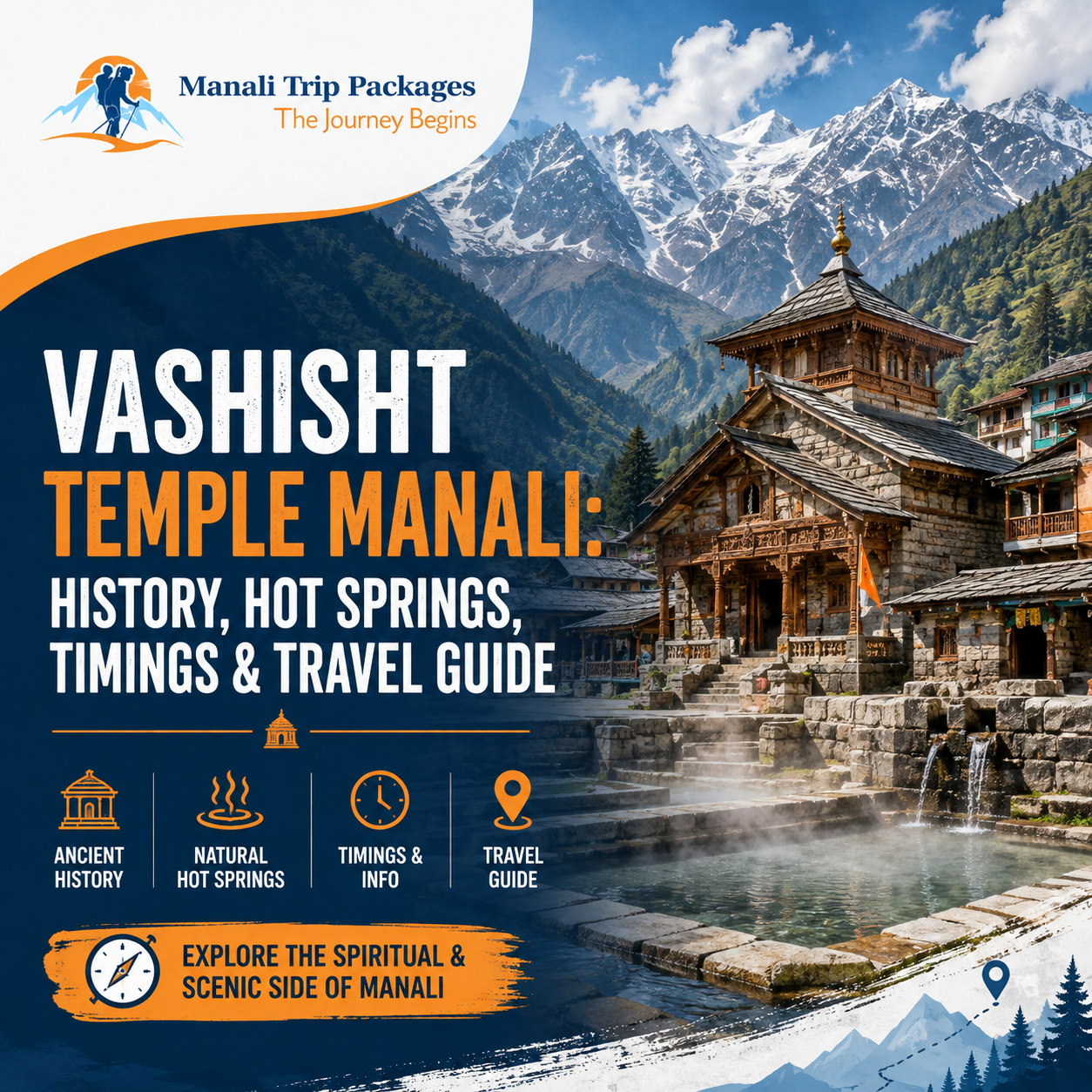
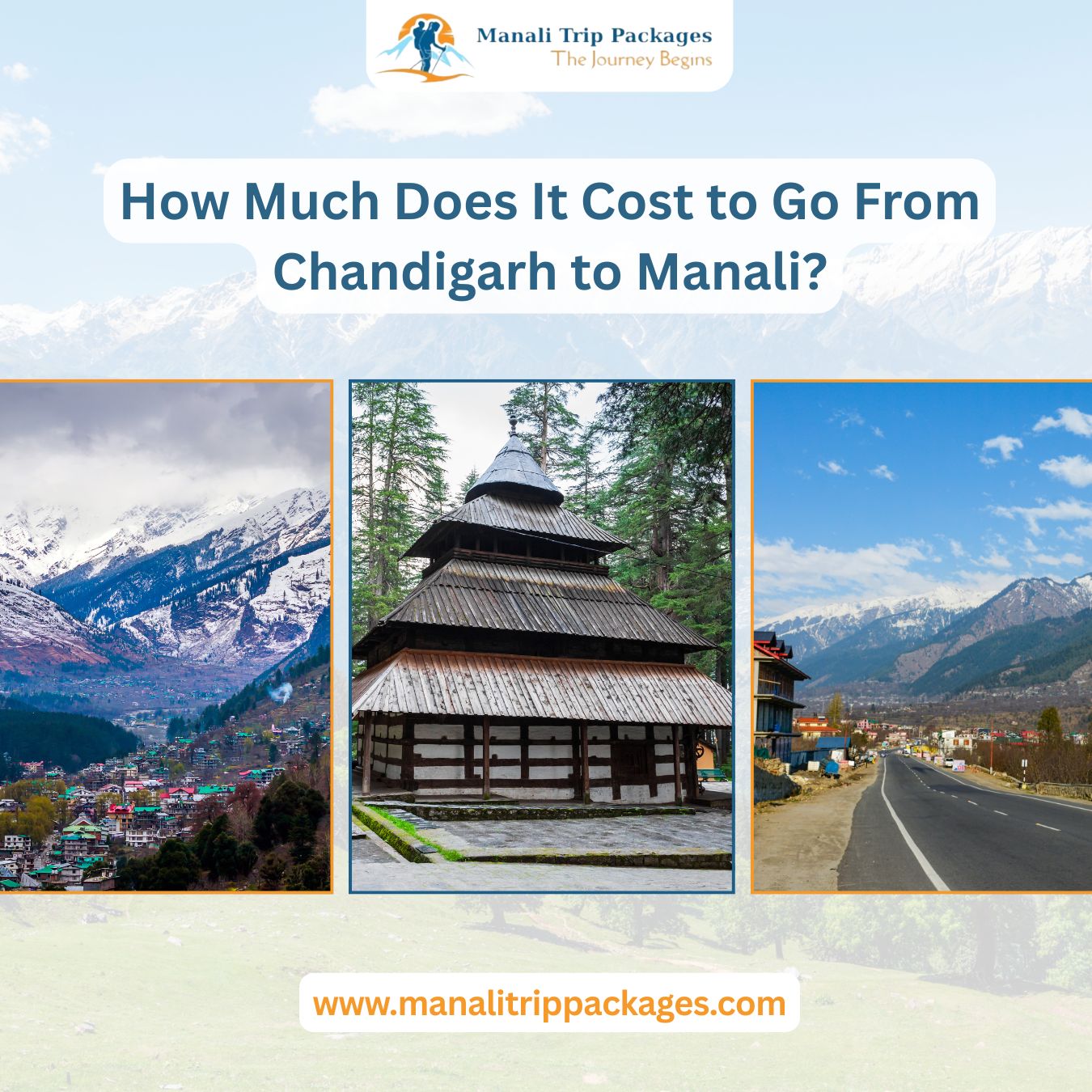
Vashisht Temple Manali is one of the most interesting places to visit near Manali for travelers who want to experience spirituality, Himalayan culture, traditional architecture, and natural hot springs in one stop. Located in Vashisht village across the Beas River, the temple is associated with Sage Vashisht and is especially known for its nearby hot-water springs. Himachal Tourism describes Vashisht as a sacred village accessible from Manali through a paved route, with the temple and hot springs forming its major attractions.
For first-time visitors, Vashisht is more than a quick sightseeing stop. You can explore the ancient temple, experience the atmosphere of the village, visit the nearby Lord Ram Temple, and spend time around the famous hot springs. This guide by Manali Trip Packages covers the Vashisht Temple history, hot springs, timings, location, how to reach, nearby attractions, best time to visit, and useful travel tips.
Table of Contents
- Vashisht Temple Manali Overview
- Vashisht Temple History and Significance
- Vashisht Temple Architecture
- Vashisht Hot Springs: What Makes Them Special?
- Vashisht Temple and Hot Springs Timings
- How to Reach Vashisht Temple from Manali
- Best Time to Visit Vashisht Temple
- Things to Do in Vashisht Village
- Places to Visit Near Vashisht Temple
- Vashisht Temple Travel Tips
- Vashisht Temple in a Manali Sightseeing Plan
- Why Add Vashisht Temple to Your Manali Trip?
- FAQs About Vashisht Temple Manali
Vashisht Temple Manali Overview
Vashisht Temple is located in Vashisht village near Manali, across the Beas River. The village is known for its traditional temple, spiritual atmosphere, and natural hot-water springs. Himachal Tourism notes that Vashisht can be easily accessed from Manali market and is home to the pyramidal stone temple dedicated to Sage Vashisht. A temple dedicated to Lord Ram is also located in the village.
The destination is particularly appealing because travelers can combine spiritual sightseeing with a relaxing hot-spring experience. The official Incredible India tourism page places Vashisht about 3 km from the heart of Manali and highlights the area’s connection with Sage Vashisht and its sulphurous hot springs.
Quick Vashisht Temple Information
| Travel Detail | Information |
| Location | Vashisht Village, near Manali, Himachal Pradesh |
| Main Attraction | Vashisht Temple and Hot Springs |
| Dedicated To | Sage Vashisht |
| Nearby River | Beas River |
| Distance from Manali | Around 3 km |
| Temple Opening Hours | 7:00 AM–9:00 PM |
| Bathing Hours | 7:00 AM–1:00 PM and 2:00 PM–9:00 PM |
| Ideal Visit Duration | Around 1–2 hours |
| Best For | Spirituality, culture, hot springs and local exploration |
Timings can change. Confirm locally before planning your visit.
Vashisht Temple History and Significance
The history of Vashisht Temple is closely connected with Sage Vashisht, one of the revered sages in Hindu tradition and a figure associated with the Rig Veda and other religious texts. The village itself carries his name and has developed as an important spiritual destination near Manali.
Local traditions and legends connect the area with the life and meditation of Sage Vashisht. The official Incredible India tourism description presents the temple as a place associated with the sage’s journey, spiritual resilience, and search for enlightenment beside the river that is now known as the Beas.
The temple’s importance isn’t only historical. Its peaceful surroundings and traditional setting make it a meaningful stop for visitors who want to experience a different side of Manali beyond snow points and adventure activities.
The village also has a Lord Ram Temple, adding another layer of religious and cultural significance to the visit.
Vashisht Temple Architecture
One of the highlights of visiting Vashisht is its traditional Himalayan architectural character. The temple is known for its stone and wood craftsmanship, creating a striking contrast with the surrounding mountains and village landscape.
In particular, the official Incredible India tourism portal describes the temple’s architecture as reflecting Kath Kuni craftsmanship, a Himalayan construction tradition that combines stone and wood. Traditional wooden carvings and the temple’s interiors contribute to its distinctive cultural identity.
For travelers interested in photography, architecture, and local culture, this makes Vashisht different from a conventional sightseeing stop.
Travel tip: Maintain a respectful atmosphere inside the temple, especially during prayer times, and check local instructions before taking photographs.
Vashisht Hot Springs: What Makes Them Special?
The Vashisht Hot Springs are arguably the most famous feature of the village.
These natural hot-water springs are located close to the temples, allowing visitors to combine spiritual exploration with a traditional bathing experience. Himachal Tourism specifically highlights the hot spring as a major reason the village is worth visiting and notes that the spring water is channelled into nearby bathing facilities.
The bathing facilities include separate arrangements, and the official Incredible India page lists bathing hours from 7:00 AM to 1:00 PM and 2:00 PM to 9:00 PM.
Are Vashisht Hot Springs suitable for everyone?
The hot springs are a cultural and recreational experience, but travelers should use common sense. If you have a medical condition, are pregnant, or have concerns about bathing in hot water, consult a qualified healthcare professional before using a hot spring.
Also, don’t treat claims about the springs curing medical conditions as established medical advice. Enjoy the experience as part of the local culture and tourism landscape.
Vashisht Temple and Hot Springs Timings
According to the current Incredible India tourism listing, Vashisht is open from 7:00 AM to 9:00 PM, while the bathing facilities operate from 7:00 AM to 1:00 PM and 2:00 PM to 9:00 PM.
Because local operating hours can change due to maintenance, festivals, weather, or other circumstances, it is sensible to verify the timings before visiting.
What is the best time of day to visit?
Early morning is a practical choice if you want a quieter atmosphere and enough time to explore the temple and village. It can also help you fit Vashisht into a larger Manali sightseeing itinerary without spending the whole day at one location.
How to Reach Vashisht Temple from Manali
Reaching Vashisht from Manali is relatively convenient. The village lies across the Beas River and is only a few kilometres from central Manali.
By Car or Taxi
A taxi or private vehicle is convenient for families, couples, and groups. You can combine Vashisht with other nearby attractions during local sightseeing.
By Local Transport
Depending on availability, travelers can use local transport and then walk through the village toward the temple area.
By Walking
For visitors staying nearby who enjoy walking, reaching Vashisht on foot can turn the journey itself into part of the experience. However, mountain roads and slopes can be tiring, so wear comfortable footwear and allow enough time.
If you are planning multiple attractions in one day, Manali Trip Packages can help you organize sightseeing according to your schedule rather than trying to fit every destination into a rushed itinerary.
Best Time to Visit Vashisht Temple
Vashisht can be visited during different seasons, but the best time depends on the experience you want.
March to June
This period is suitable for travelers who want pleasant weather, sightseeing, village walks, and outdoor exploration. It is a good option for families and first-time visitors.
July to September
The monsoon season can bring rain and changing road conditions in Himachal Pradesh. Travelers should check weather and road conditions before setting out.
October to February
Winter brings a different atmosphere to Manali, with colder weather and the possibility of snow in the broader region. The contrast between cold mountain air and naturally hot water makes the hot springs especially appealing, but travelers should dress appropriately.
For the most comfortable sightseeing experience, check the weather forecast and local travel conditions before leaving.
Things to Do in Vashisht Village
A visit doesn’t have to be limited to entering the temple and leaving. Give yourself time to explore the area.
1. Visit Vashisht Temple
Spend a few peaceful moments inside and around the temple while appreciating its traditional architecture.
2. Experience the Hot Springs
The hot springs are the signature attraction of Vashisht. Follow local rules and use the designated bathing facilities.
3. Visit Lord Ram Temple
Himachal Tourism also identifies a Lord Ram Temple in the village, making it worthwhile for travelers interested in religious and cultural sites.
4. Explore the Village
Walk through the local lanes and enjoy the mountain setting. Vashisht offers a more intimate experience than some of Manali’s busier tourist areas.
5. Enjoy Himalayan Views
Take your time to appreciate the surrounding landscape rather than treating the destination as a checklist attraction.
Places to Visit Near Vashisht Temple
Vashisht can easily become part of a broader Manali sightseeing plan.
Jogini Waterfall
Jogini Waterfall is a popular nature experience associated with the Vashisht area and can be considered by travelers who enjoy short hikes and scenic surroundings. Check local trail conditions before starting.
Old Manali
Old Manali offers a different atmosphere with cafés, narrow lanes, local shops, and a relaxed traveler vibe.
Hadimba Devi Temple
If you are interested in Manali’s spiritual and architectural attractions, Hadimba Devi Temple is another important stop. Your existing “Hidimba Temple: History, Architecture & Spiritual Significance” article can provide a deeper look at its history.
Manu Temple
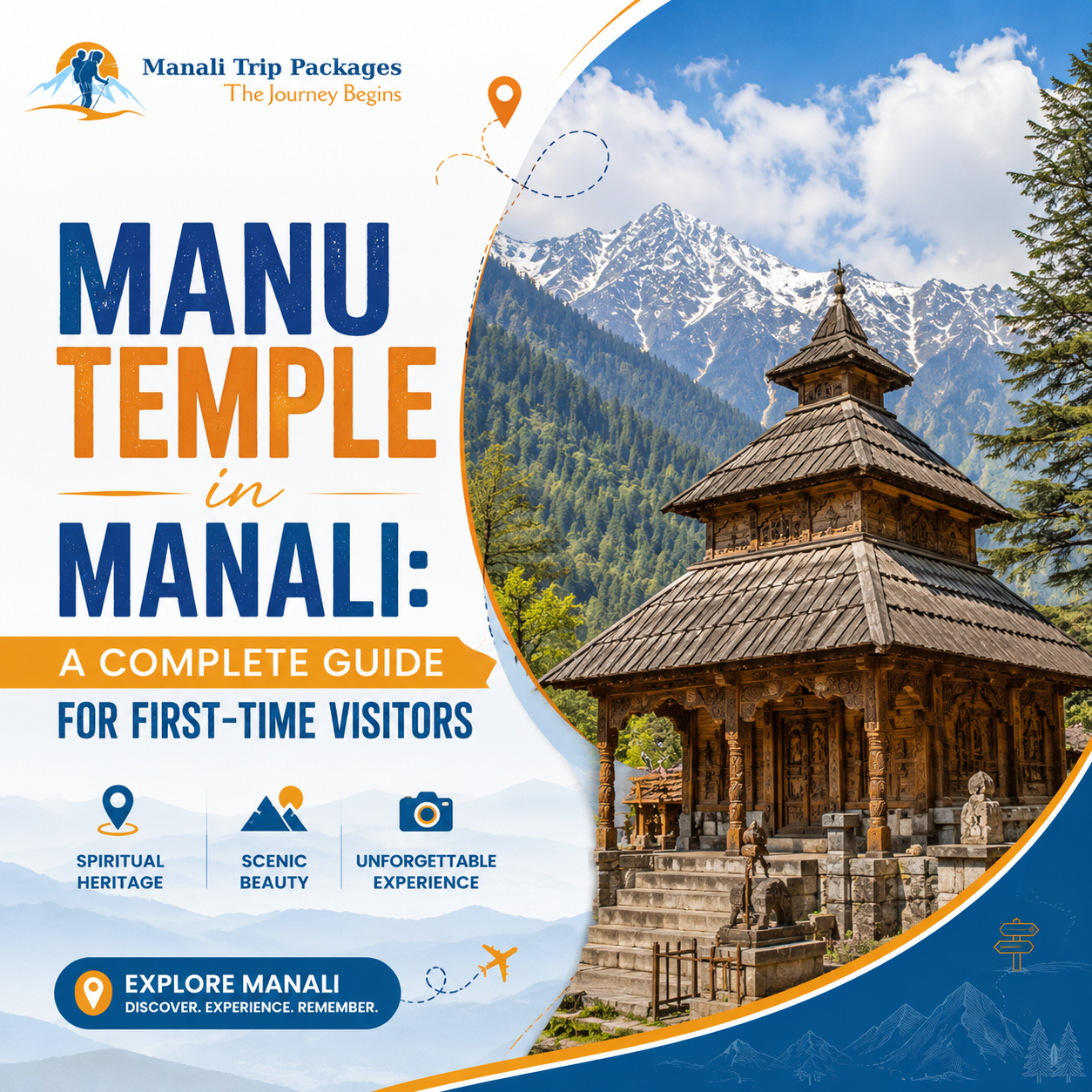
Travelers interested in Manali’s spiritual heritage can also explore Manu Temple. Since your website already has a detailed “Manu Temple in Manali: A Complete Guide for First-Time Visitors” article, readers can continue their research there.
Mall Road Manali
For shopping, cafés, restaurants, and a livelier town experience, Mall Road can complement a peaceful Vashisht visit.
This creates a useful Manali travel topic cluster across your website: temples → local attractions → food → shopping → sightseeing → trip planning.
Vashisht Temple in a Manali Sightseeing Plan
If you’re wondering how to fit Vashisht into your itinerary, consider this simple plan:
Morning: Start with Vashisht Temple and hot springs.
Late morning: Explore Vashisht village and nearby surroundings.
Afternoon: Visit another local attraction such as Hadimba Temple or Old Manali.
Evening: Return toward central Manali for shopping, cafés, or a relaxed walk.
This approach avoids rushing between distant attractions and gives you enough time to experience Vashisht properly.
If you are planning a longer holiday, you can also explore the broader sightseeing options covered in the Manali Travel Guide on Manali Trip Packages.
Why Add Vashisht Temple to Your Manali Trip?
Vashisht offers something that many conventional tourist attractions don’t: a combination of spiritual heritage, traditional architecture, village culture, natural hot springs, and Himalayan scenery.
It is particularly suitable for:
- Families looking for peaceful sightseeing
- Couples wanting a relaxed experience
- Travelers interested in temples and culture
- Photography enthusiasts
- First-time Manali visitors
- Travelers who enjoy natural hot springs
- People looking for experiences beyond the busiest tourist spots
The official tourism sources also identify Vashisht as an important cultural and natural attraction near Manali.
Vashisht Temple Travel Tips
Keep these practical points in mind:
- Check timings before visiting, particularly during holidays and seasonal changes.
- Start early if you prefer a calmer sightseeing experience.
- Wear comfortable footwear because some village paths can be uneven.
- Respect temple customs and local traditions.
- Carry only essential valuables when visiting bathing areas.
- Keep the village clean and avoid littering.
- Check weather and road conditions during monsoon or winter.
- If you plan to visit several attractions, allow realistic travel time between them.
- Don’t make medical claims about hot springs based solely on local beliefs.
- Confirm current facilities and local restrictions before bathing.
Plan Your Manali Sightseeing With Manali Trip Packages
A memorable Manali holiday isn’t only about choosing famous places; it’s about arranging them in a practical order.
Manali Trip Packages helps travelers plan holidays around their preferred duration, travel style, sightseeing requirements, accommodation, and transportation. The website already highlights Vashisht Hot Springs alongside attractions such as Hadimba Temple, Mall Road, Solang Valley, and other popular destinations.
If Vashisht Temple is on your itinerary, you can combine it with other nearby attractions rather than spending valuable travel time going back and forth.
Explore Manali Trip Packages and plan a Manali holiday that fits your travel preferences, schedule, and budget.
Final Words
Vashisht Temple Manali is a destination where history, spirituality, architecture, nature, and local culture come together. From the traditional temple associated with Sage Vashisht to the famous natural hot springs, Vashisht offers travelers an experience that feels different from a typical sightseeing stop.
For first-time visitors, the best approach is simple: visit the temple, explore the village, experience the hot springs responsibly, and leave enough time to enjoy the surroundings.
When combined with attractions such as Hadimba Temple, Manu Temple, Old Manali, Mall Road, and other sightseeing locations, Vashisht can become an important part of a well-planned Manali itinerary.
With Manali Trip Packages, travelers can organize their sightseeing and accommodation around the experiences they actually want rather than following an unnecessarily rushed schedule.
FAQs About Vashisht Temple Manali
1. Is Vashisht Temple worth visiting?
Yes. Vashisht Temple is worth visiting for its spiritual significance, traditional Himalayan architecture, nearby hot springs, and peaceful village surroundings.
2. What is Vashisht Temple famous for?
Vashisht Temple is famous for its association with Sage Vashisht, traditional architecture, and the natural hot-water springs located nearby.
3. What are Vashisht Temple Manali timings?
The Incredible India tourism listing currently shows Vashisht timings as 7:00 AM to 9:00 PM. The bathing facilities are listed as 7:00 AM–1:00 PM and 2:00 PM–9:00 PM. Timings may change, so verify before visiting.
4. How far is Vashisht Temple from Manali?
Vashisht is approximately 3 km from the heart of Manali, according to the Incredible India tourism portal.
5. Can visitors take a bath in Vashisht Hot Springs?
Yes, designated bathing facilities are available around the hot springs. Visitors should follow the current local rules and bathing timings.
6. What can I visit near Vashisht Temple?
You can combine Vashisht with attractions such as Jogini Waterfall, Old Manali, Hadimba Devi Temple, Manu Temple, and Mall Road, depending on your itinerary and available time.
7. What is the best time to visit Vashisht Temple?
For comfortable sightseeing, March to June is a popular period. Winter can be appealing for travelers who enjoy cold weather and the contrast of hot springs with the mountain environment.
8. How long should I spend at Vashisht Temple?
Around 1–2 hours is a practical starting point for the temple, hot springs, and nearby village, although travelers who want a slower experience can stay longer.